
Rec Center Physical Therapy
Vestibular therapy for vertigo and balance
Regain your balance. Reclaim your life.
About Vestibular Rehab Therapy
What it is and who it helps
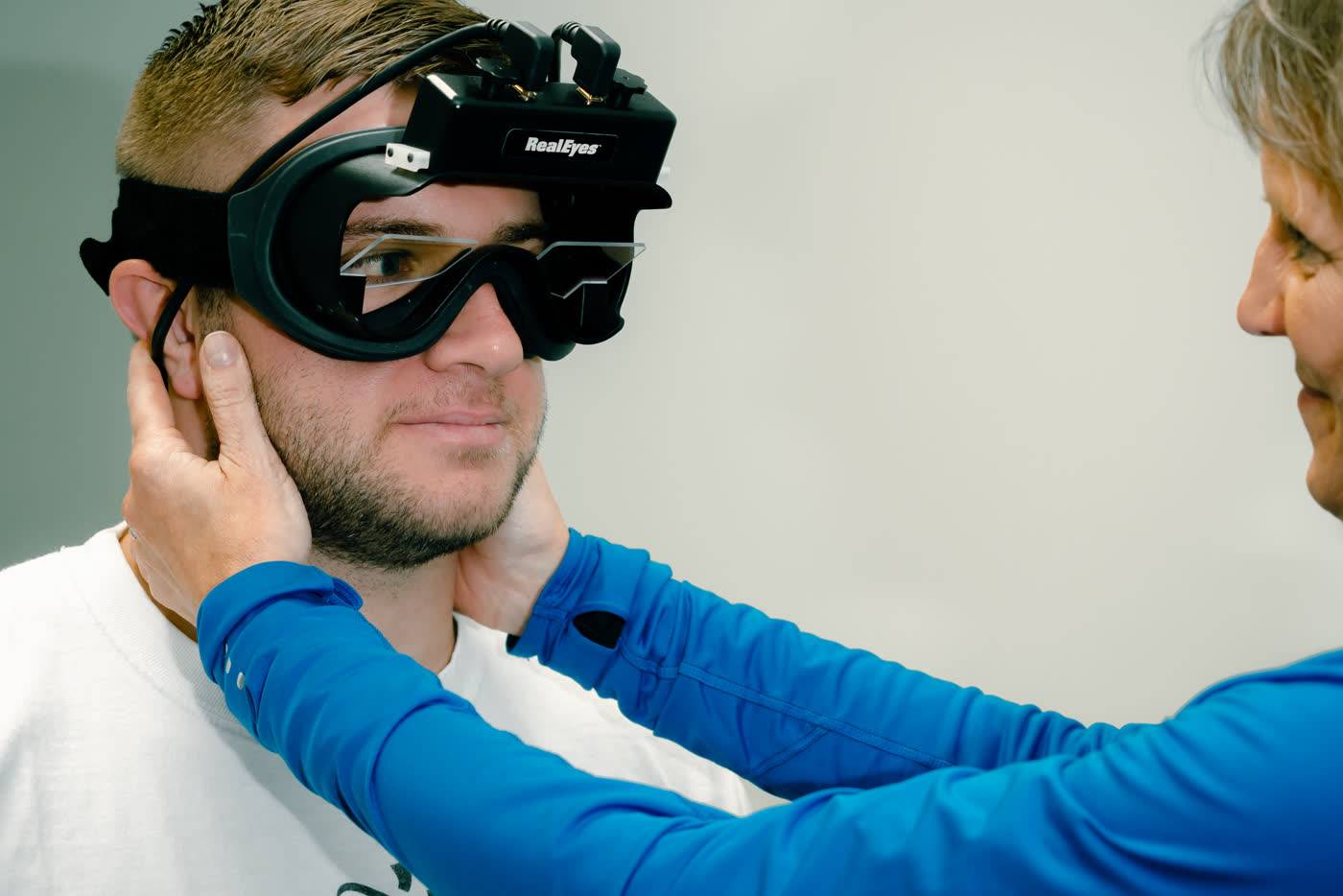
Vestibular rehabilitation therapy (VRT) is a specialized type of physical therapy for people dealing with dizziness, vertigo, unsteadiness or motion sensitivity caused by a problem in the inner ear. Your vestibular system sits in the inner ear and controls balance, coordination and your sense of where you are in space. When injury, illness or age throws it off, the result can be spinning, lightheadedness, or feeling unsure on your feet.
VRT uses targeted exercises and techniques to retrain your brain and body to compensate. It is built around your diagnosis, symptoms and goals. Common causes we treat include BPPV, labyrinthitis and vestibular neuritis, Meniere's disease, concussion and traumatic brain injury, age-related balance decline, and long-running dizziness or motion sensitivity.
Therapy is matched to your specific diagnosis rather than a generic routine. For BPPV that may mean repositioning maneuvers; for concussion or long-running dizziness it is more often gaze stabilization, habituation and balance work. The goal is moving with confidence and feeling like yourself again.
Who it helps
- Unexplained dizziness or vertigo
- Loss of balance or frequent falls
- Trouble walking in the dark or on uneven ground
- Sensitivity to motion or head movements
- Post-concussion symptoms that affect balance
How it works
How vestibular rehab works
- 01
Repositioning
Canalith repositioning maneuvers, such as the Epley maneuver for BPPV.
- 02
Gaze stabilization
Exercises that keep your vision steady while your head moves.
- 03
Habituation
Graded exposure that reduces motion sensitivity over time.
- 04
Balance and fall prevention
Balance retraining and practical strategies to lower your fall risk.
Questions
Vestibular Rehab Therapy FAQ
What is BPPV?
Benign paroxysmal positional vertigo is a common inner-ear cause of brief spinning spells triggered by head position. It is often treated with repositioning maneuvers like the Epley maneuver.
Can vestibular therapy help after a concussion?
Yes. Concussion and traumatic brain injury are among the conditions VRT supports, especially when balance is affected.
What results can I expect?
The goals are less dizziness and vertigo, better balance and coordination, fewer falls, and more confidence moving through your day.
More at RCPT
Explore our other services
Physical Therapy
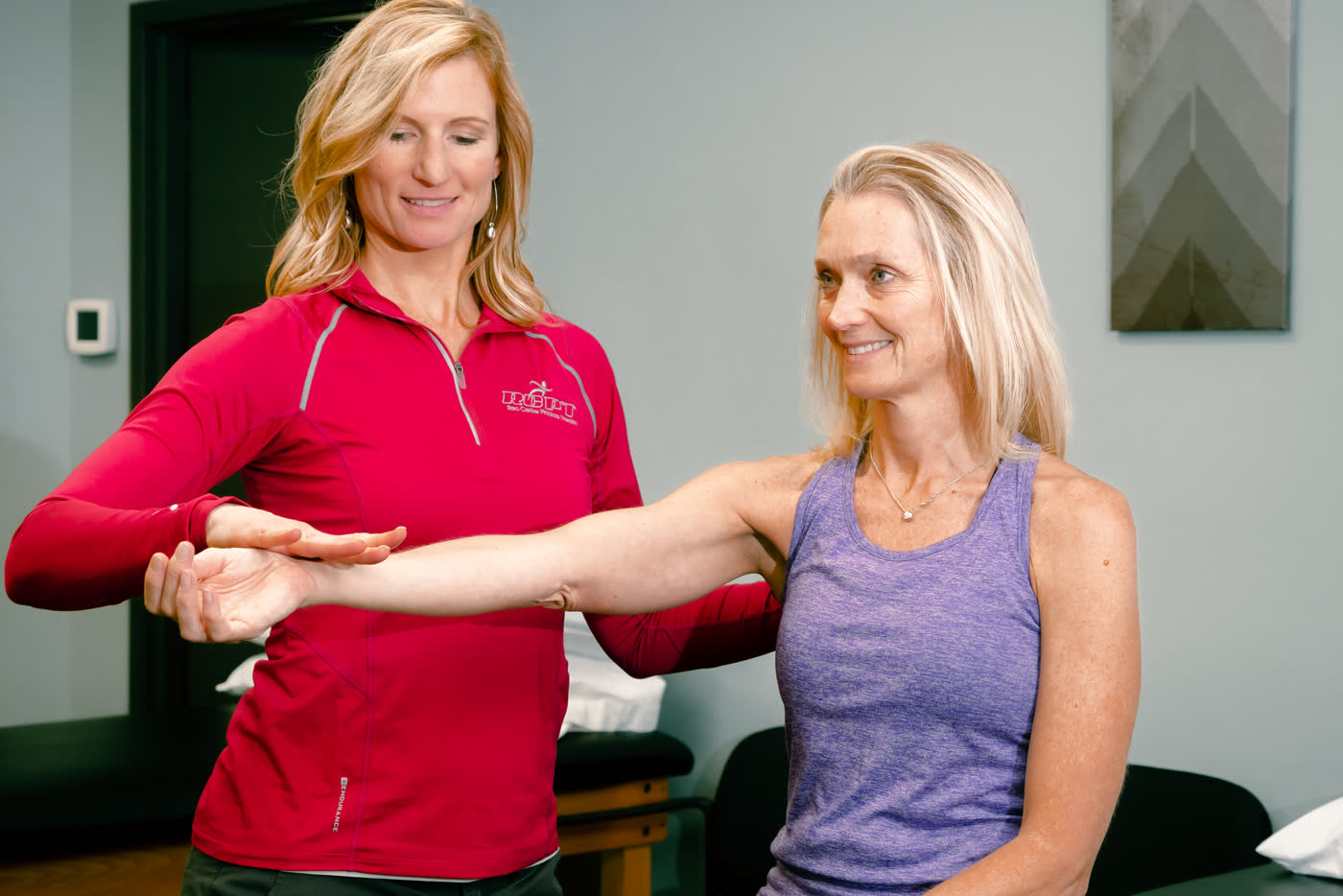
One-on-one evaluation and hands-on treatment for injuries, surgery recovery and chronic pain.

Pelvic Health Physical Therapy
A whole-body approach to bladder leakage, pelvic pain, prolapse and prenatal or postpartum care.

Dry Needling
Thin, sterile needles placed into tight trigger points to release tension and restore movement.

Pilates Based Rehab
Therapist-led Pilates that retrains movement, core strength and balance after injury.
Deep Tissue Laser Therapy
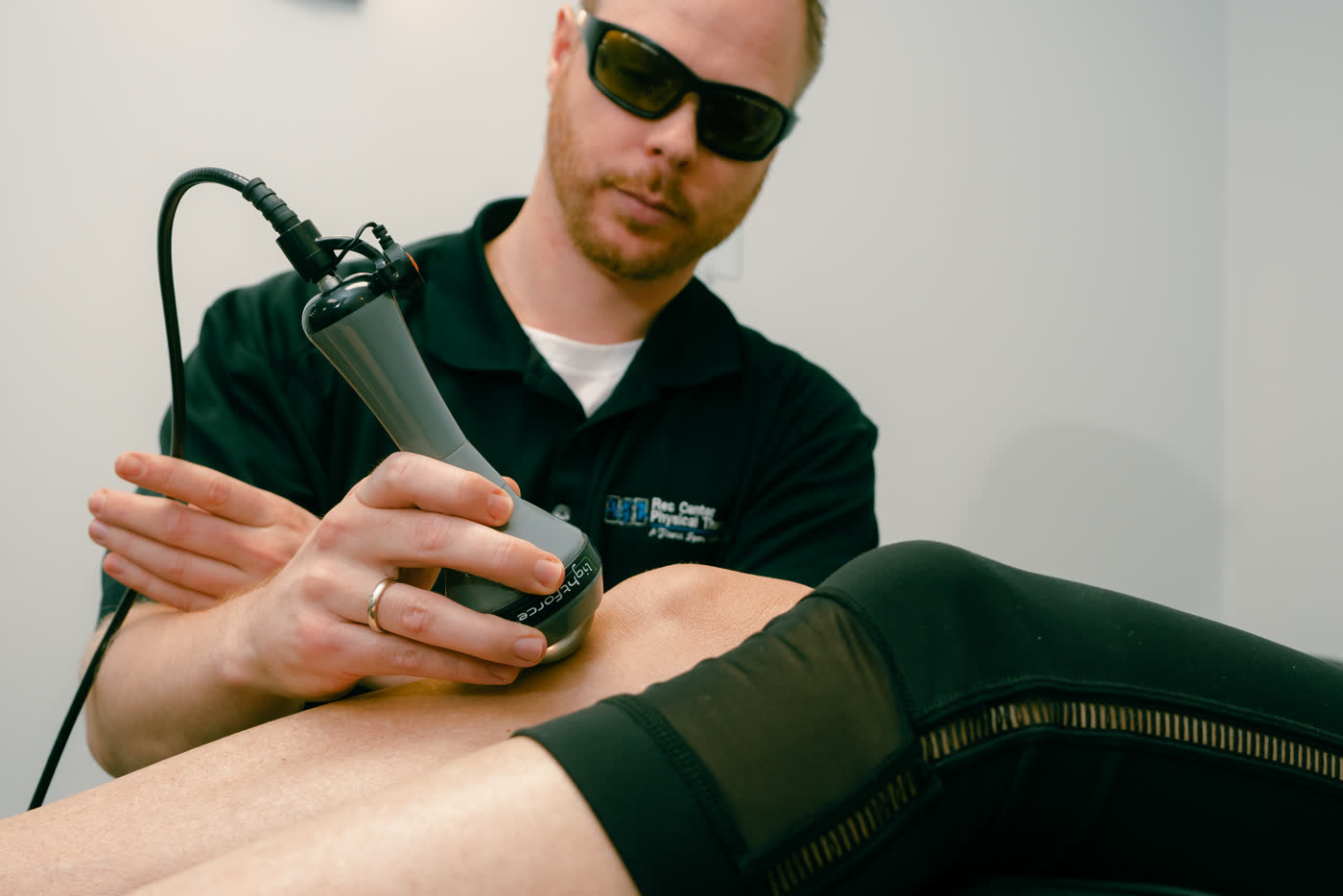
Non-invasive light therapy that calms inflammation and speeds tissue healing.

Shockwave (RPW) Therapy
Acoustic pressure waves for stubborn tendon and soft tissue pain that has not settled.
FMS/SFMA
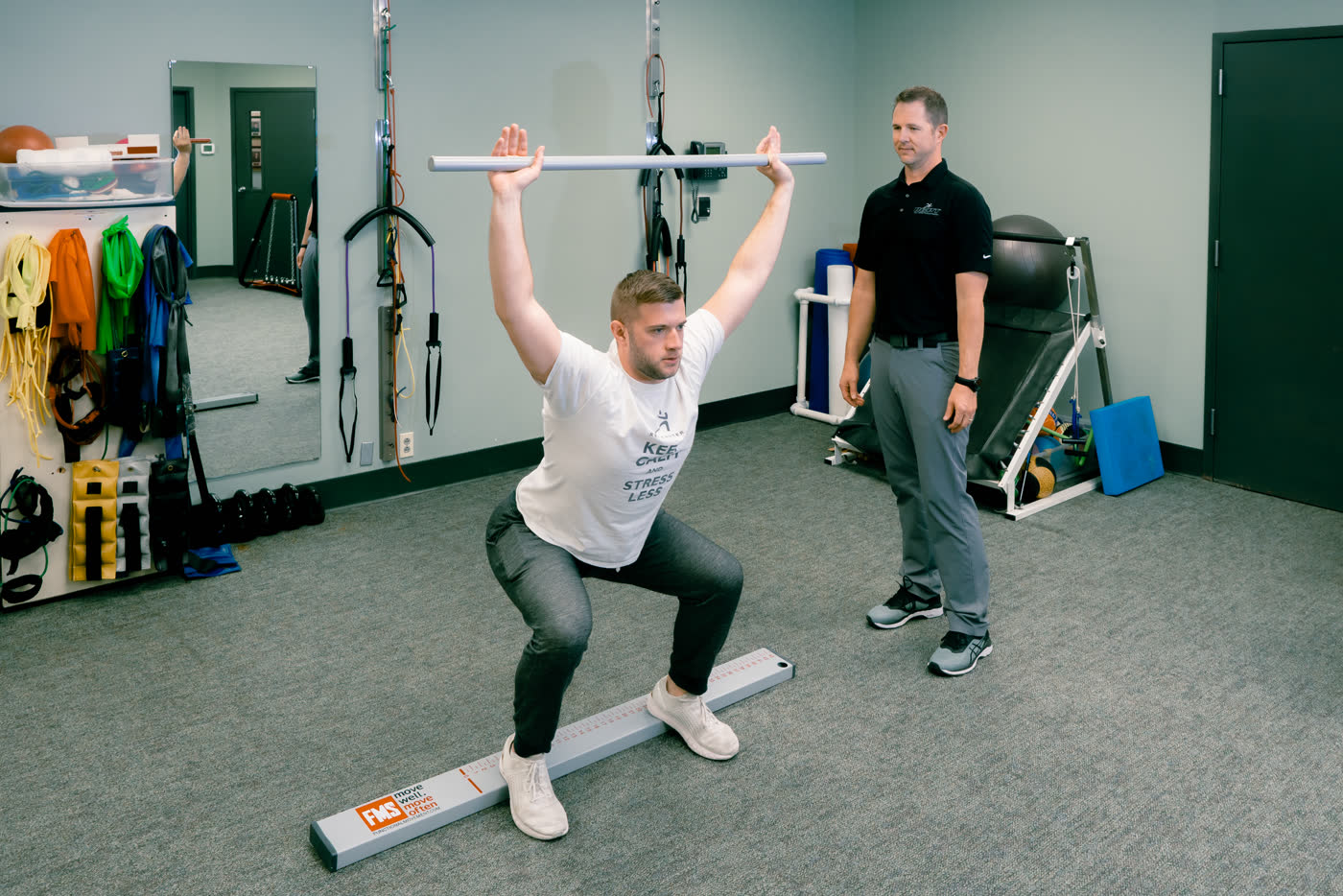
Structured screening that finds the movement limitation behind your symptoms.

Instrument-Assisted Soft Tissue Mobilization
ASTYM® and Graston Technique® soft tissue therapy to address scar tissue and restore movement.
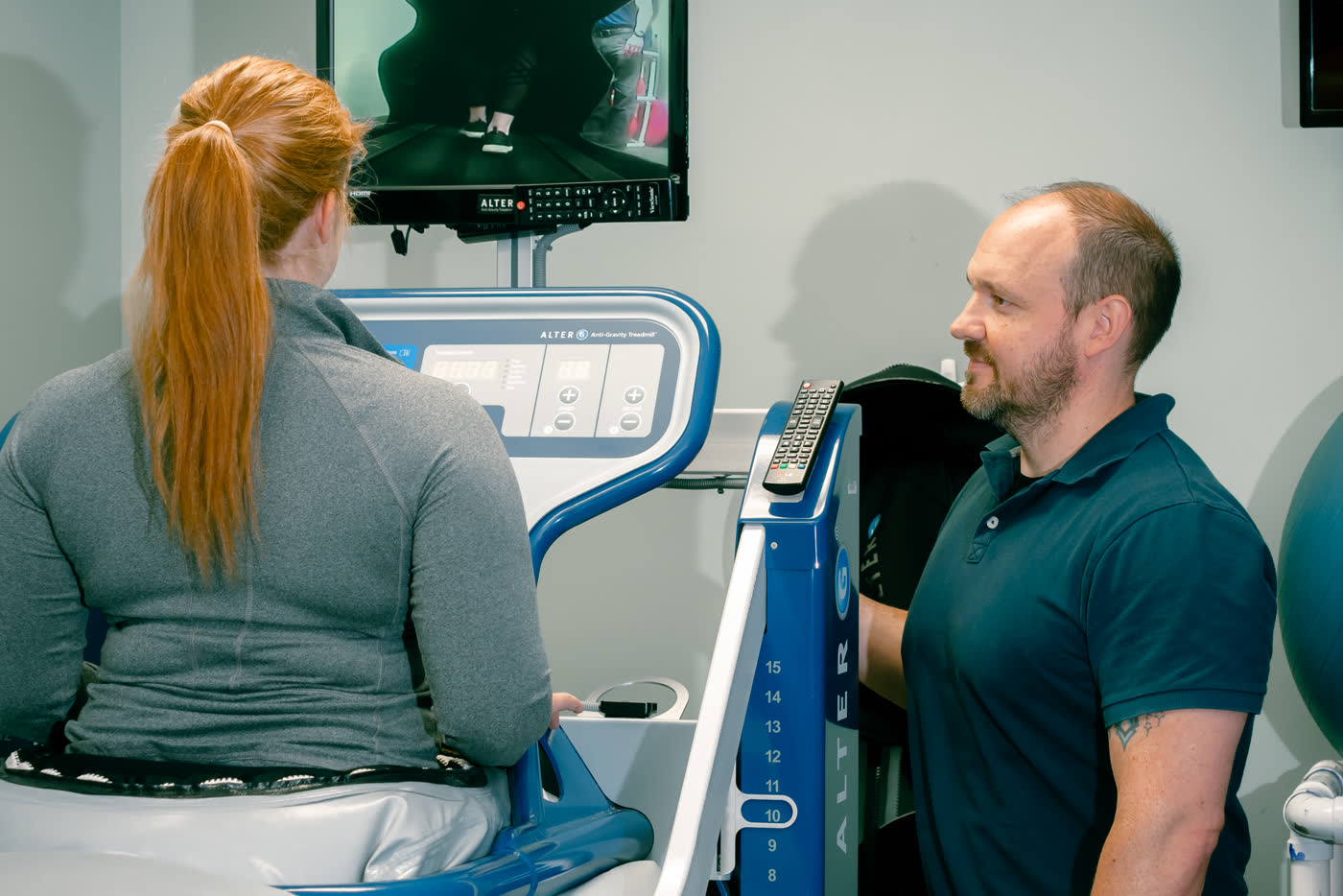
AlterG Anti-Gravity Treadmill
Walk or run at a fraction of your body weight while you heal.

Massage Therapy
Therapeutic massage for pain, tension and stress, next door to your physical therapy.
Ready to start vestibular rehab therapy?
Tell us what is going on and what you want to get back to. Our team will help you get scheduled.