
Rec Center Physical Therapy
Functional movement screening (FMS/SFMA)
Find the weak link in how you move, then fix it.
About FMS/SFMA
What it is and who it helps
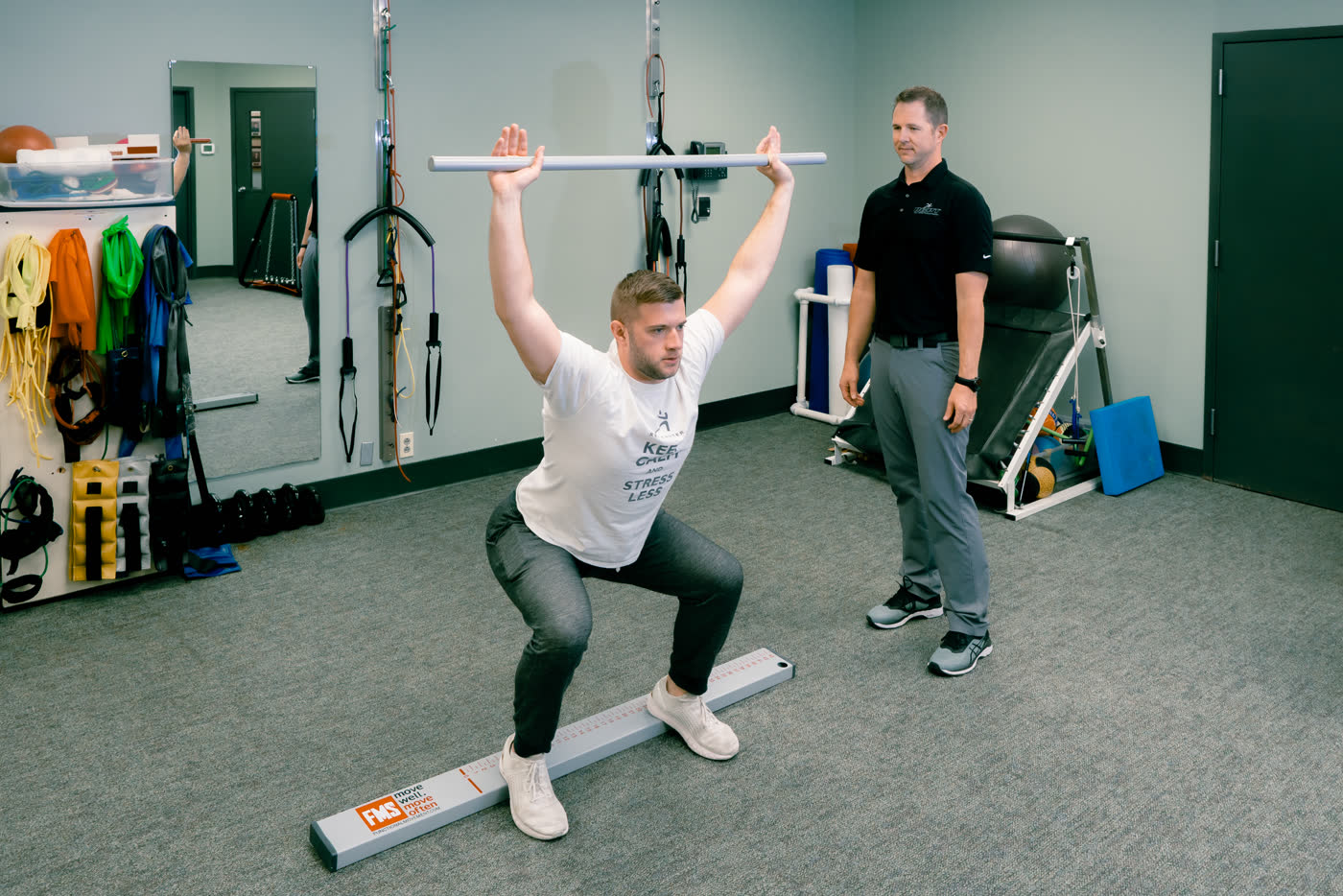
FMS and SFMA are structured movement screens that show whether you have dysfunctional movement or an asymmetry somewhere in your body. RCPT uses them for two reasons: to improve the quality of how you move, and to help you do more of the activities you care about. They are open to the general public, rehab patients, athletes and anyone working to stay fit.
The two are related but different. The Functional Movement Screen (FMS) checks fundamental movements and motor control, and points to the areas where movement is hardest for you, so you know what to correct. The Selective Functional Movement Assessment (SFMA) is used when pain is involved. It helps separate dysfunction from pain and shows which exercises to use or avoid, treating the whole movement pattern instead of one isolated spot.
Screens are useful well beyond injury rehab. Athletes use them to spot a weak link before it becomes a problem, and people starting a new fitness routine use them to learn which exercises to prioritize. Results are explained in plain language, so you know exactly what to work on.
Benefits of FMS
- Plain-language results that make your movement patterns easy to understand
- Quickly identifies limitations and asymmetries without extensive testing
- Corrective strategies that work across nearly all fitness levels
- Flags potentially risky movement patterns and readiness for certain exercises
How it works
How a screen runs
- 01
Movement tests
You perform a set of fundamental movements while your therapist watches and scores them.
- 02
Find the limits
Asymmetries and the hardest patterns stand out.
- 03
Separate pain
With SFMA, painful patterns are separated from dysfunctional ones.
- 04
Corrective plan
You get priorities and corrective exercises for what was found.
Questions
FMS/SFMA FAQ
What is the difference between FMS and SFMA?
FMS screens fundamental movement and motor control to find limitations. SFMA is used when there is pain, to separate pain from dysfunction and guide which exercises to use or avoid.
Do I need to be injured to get screened?
No. Screens are offered to the general public, athletes and anyone who wants to stay fit, as well as rehab patients.
What do I get from a screen?
A clear picture of your limitations and asymmetries and corrective strategies to address them.
More at RCPT
Explore our other services
Physical Therapy
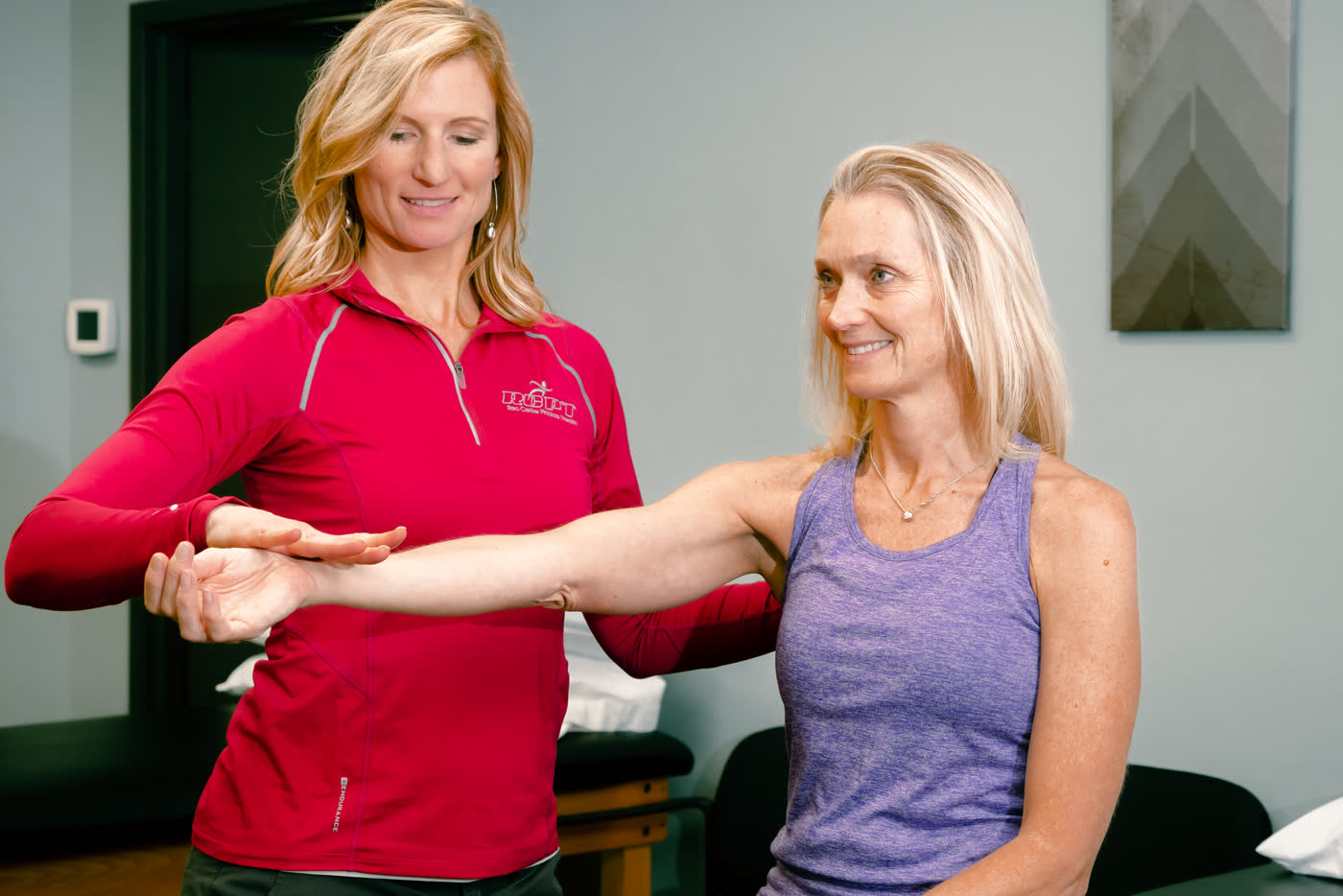
One-on-one evaluation and hands-on treatment for injuries, surgery recovery and chronic pain.

Pelvic Health Physical Therapy
A whole-body approach to bladder leakage, pelvic pain, prolapse and prenatal or postpartum care.
Vestibular Rehab Therapy
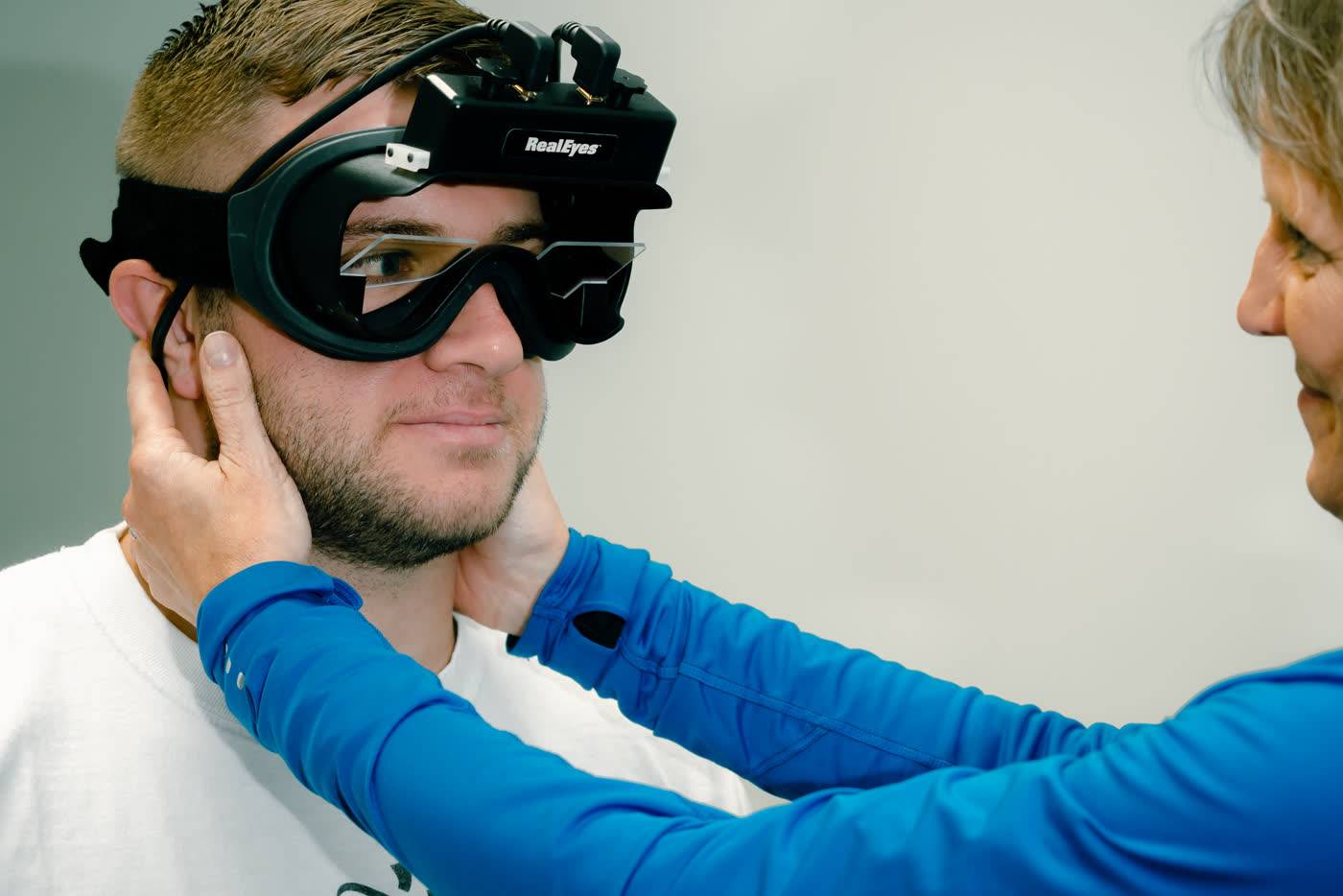
Treatment for dizziness, vertigo and balance loss, including repositioning for BPPV.

Dry Needling
Thin, sterile needles placed into tight trigger points to release tension and restore movement.

Pilates Based Rehab
Therapist-led Pilates that retrains movement, core strength and balance after injury.
Deep Tissue Laser Therapy
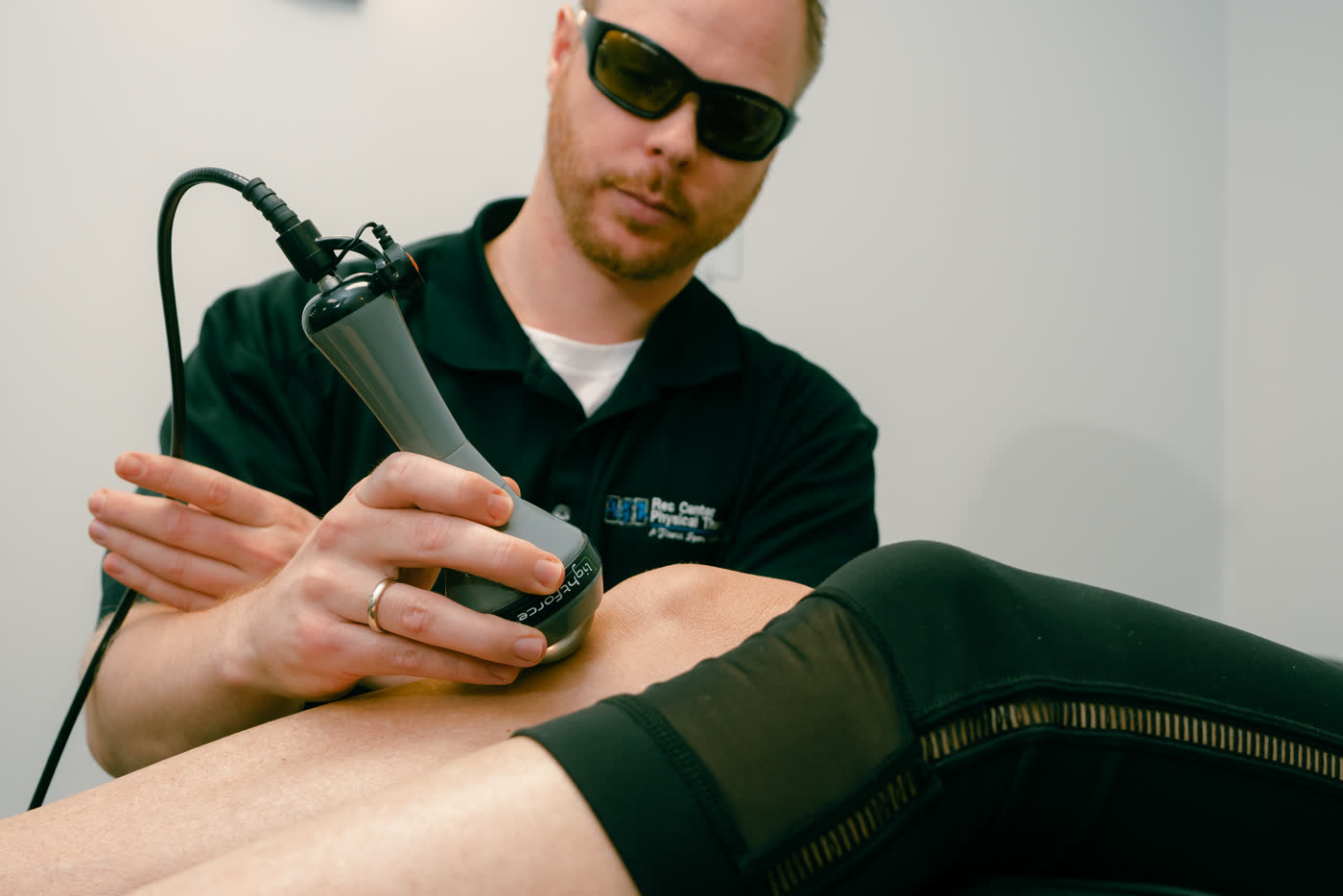
Non-invasive light therapy that calms inflammation and speeds tissue healing.

Shockwave (RPW) Therapy
Acoustic pressure waves for stubborn tendon and soft tissue pain that has not settled.

Instrument-Assisted Soft Tissue Mobilization
ASTYM® and Graston Technique® soft tissue therapy to address scar tissue and restore movement.
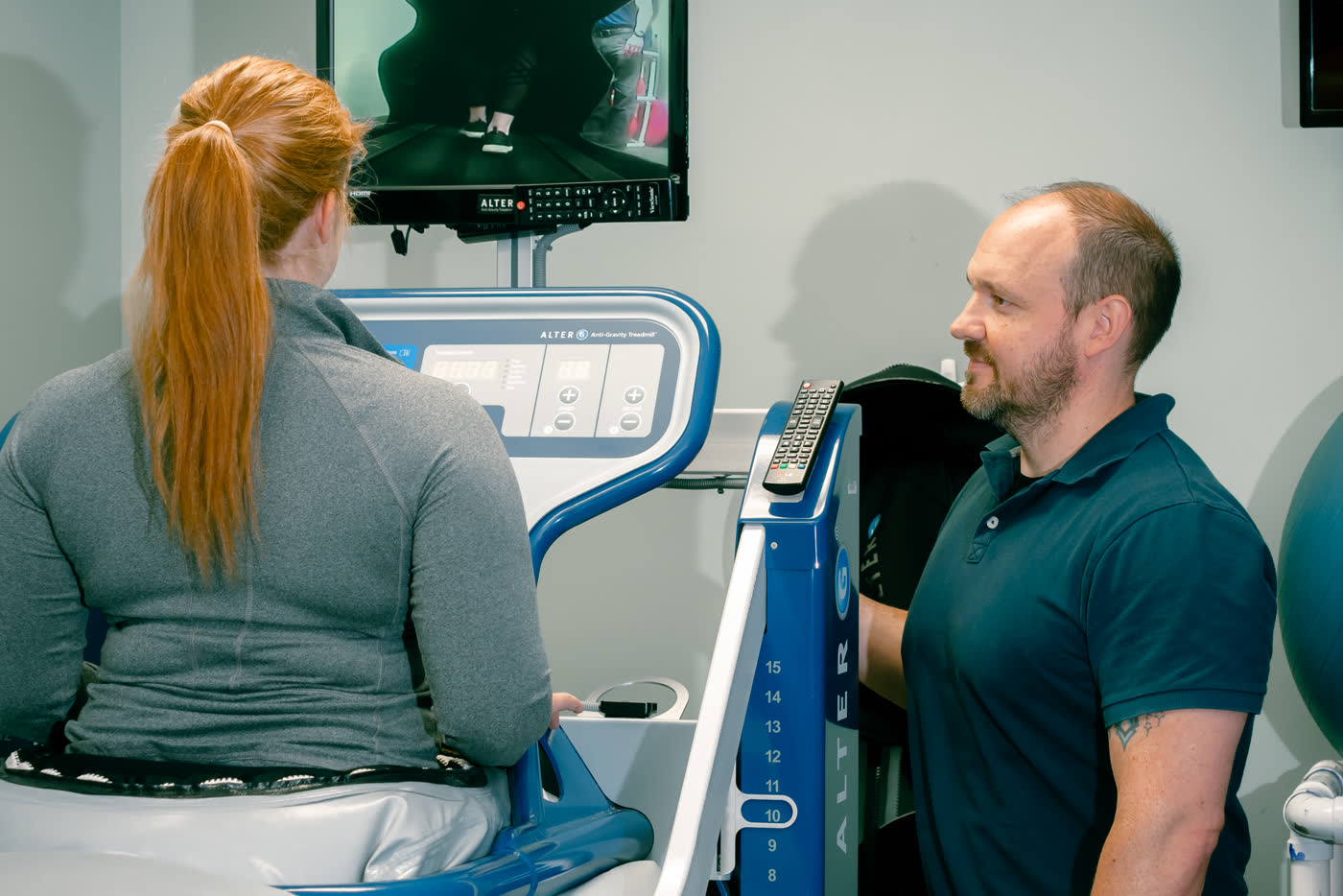
AlterG Anti-Gravity Treadmill
Walk or run at a fraction of your body weight while you heal.

Massage Therapy
Therapeutic massage for pain, tension and stress, next door to your physical therapy.
Ready to start fms/sfma?
Tell us what is going on and what you want to get back to. Our team will help you get scheduled.