

Rec Center Physical Therapy
Dry needling
Licensed physical therapists releasing the tight, painful spots that keep muscles guarded.
About Dry Needling
What it is and who it helps
Dry needling is a treatment licensed physical therapists use to relieve muscle pain and improve movement. Very thin, sterile needles are placed into trigger points, the tight and tender knots inside a muscle, to release tension, calm inflammation and help the muscle work normally again.
It is not acupuncture. The tools look similar, but dry needling is grounded in modern Western medicine and the science of muscles and nerves. At RCPT it is usually one part of a broader plan, paired with exercise and hands-on therapy so the relief lasts. Most patients notice meaningful relief within a few sessions, and the treatment is generally well tolerated with minimal discomfort.
Your therapist checks first whether dry needling fits your condition. Treatment then targets the specific muscles involved, whether that is neck and upper back muscle tension that may contribute to headaches, a guarded shoulder, a sore elbow, or hip and leg pain from sciatica. Movement follows treatment to help the change last.
Commonly treated
- Neck and back pain
- Shoulder pain and rotator cuff issues
- Headaches and migraines
- Tennis elbow
- Sciatica
- Hip and knee pain
How it works
Why patients use it
- 01
Less pain and stiffness
Releasing trigger points reduces muscle pain and tightness.
- 02
More range of motion
Muscles that let go move further and more freely.
- 03
Faster recovery
Helps speed recovery from injury and supports athletic performance.
- 04
Works with your plan
Complements exercise and other physical therapy treatments.
Questions
Dry Needling FAQ
Is dry needling the same as acupuncture?
No. Both use thin needles, but dry needling is based on Western medicine and the musculoskeletal and nervous systems, and targets trigger points in muscle.
Does dry needling hurt?
It is generally well tolerated with minimal discomfort.
How many sessions will I need?
Most patients feel significant relief after just a few sessions. Your therapist will recommend a number based on your condition.
More at RCPT
Explore our other services
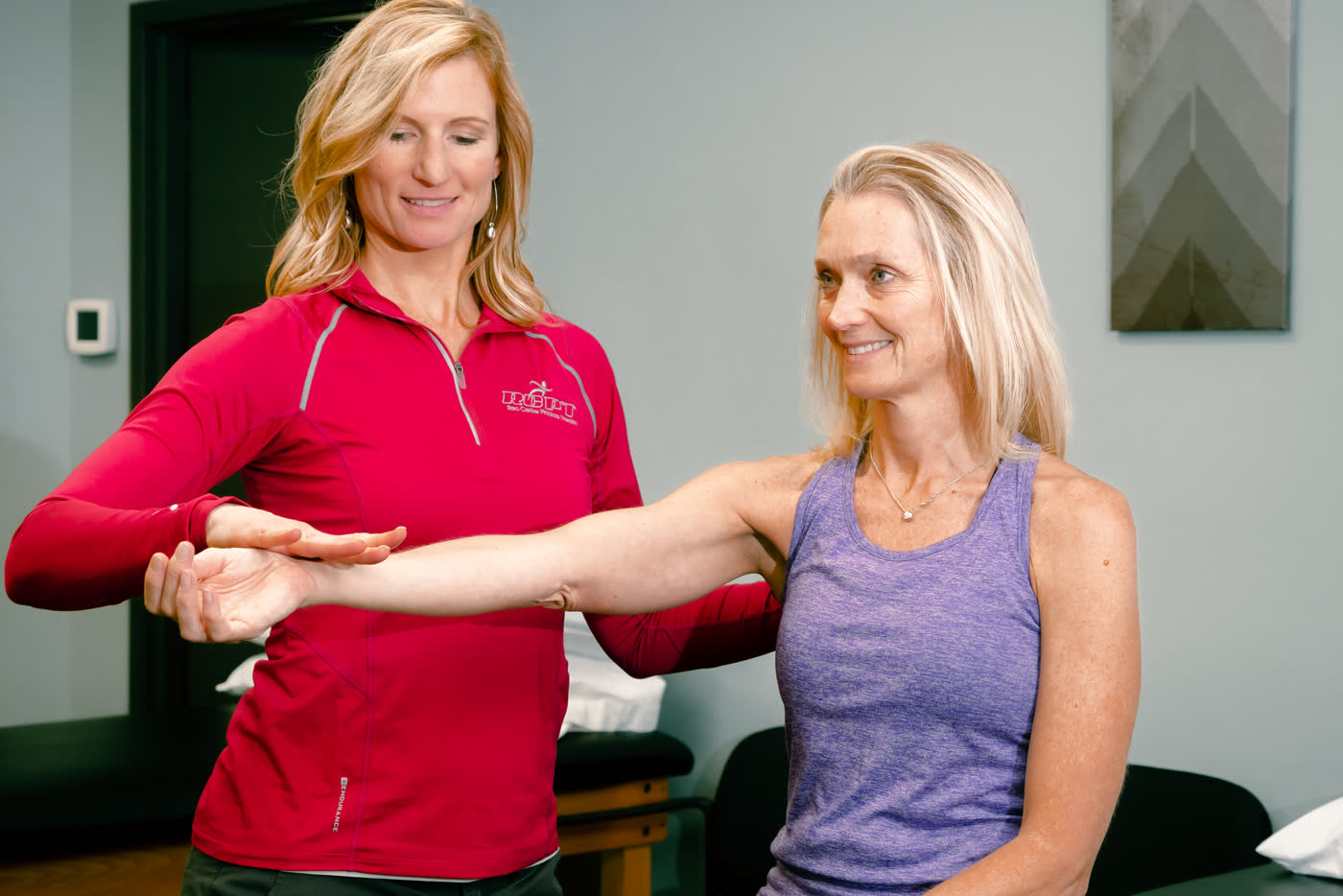
Physical Therapy
One-on-one evaluation and hands-on treatment for injuries, surgery recovery and chronic pain.

Pelvic Health Physical Therapy
A whole-body approach to bladder leakage, pelvic pain, prolapse and prenatal or postpartum care.
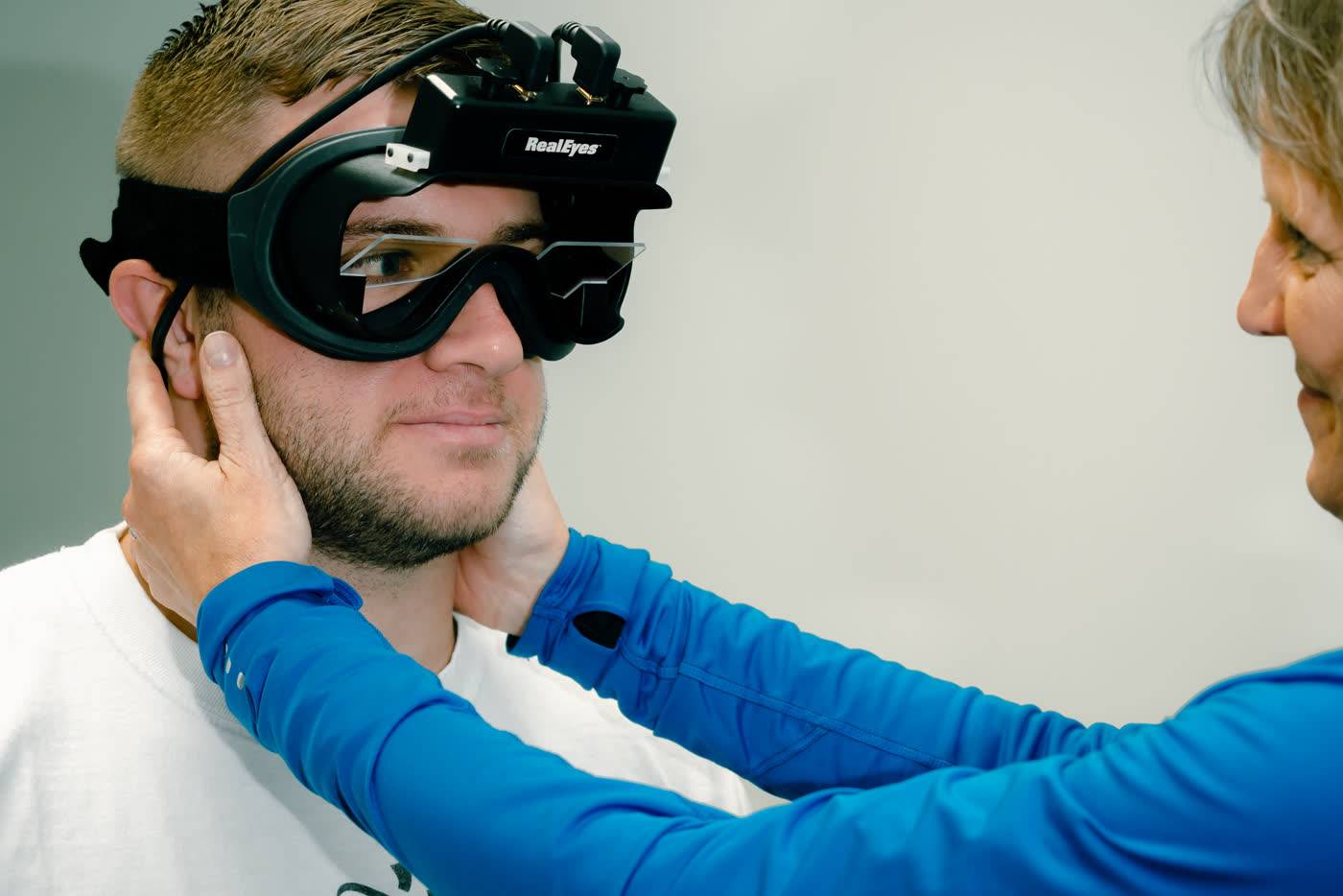
Vestibular Rehab Therapy
Treatment for dizziness, vertigo and balance loss, including repositioning for BPPV.

Pilates Based Rehab
Therapist-led Pilates that retrains movement, core strength and balance after injury.
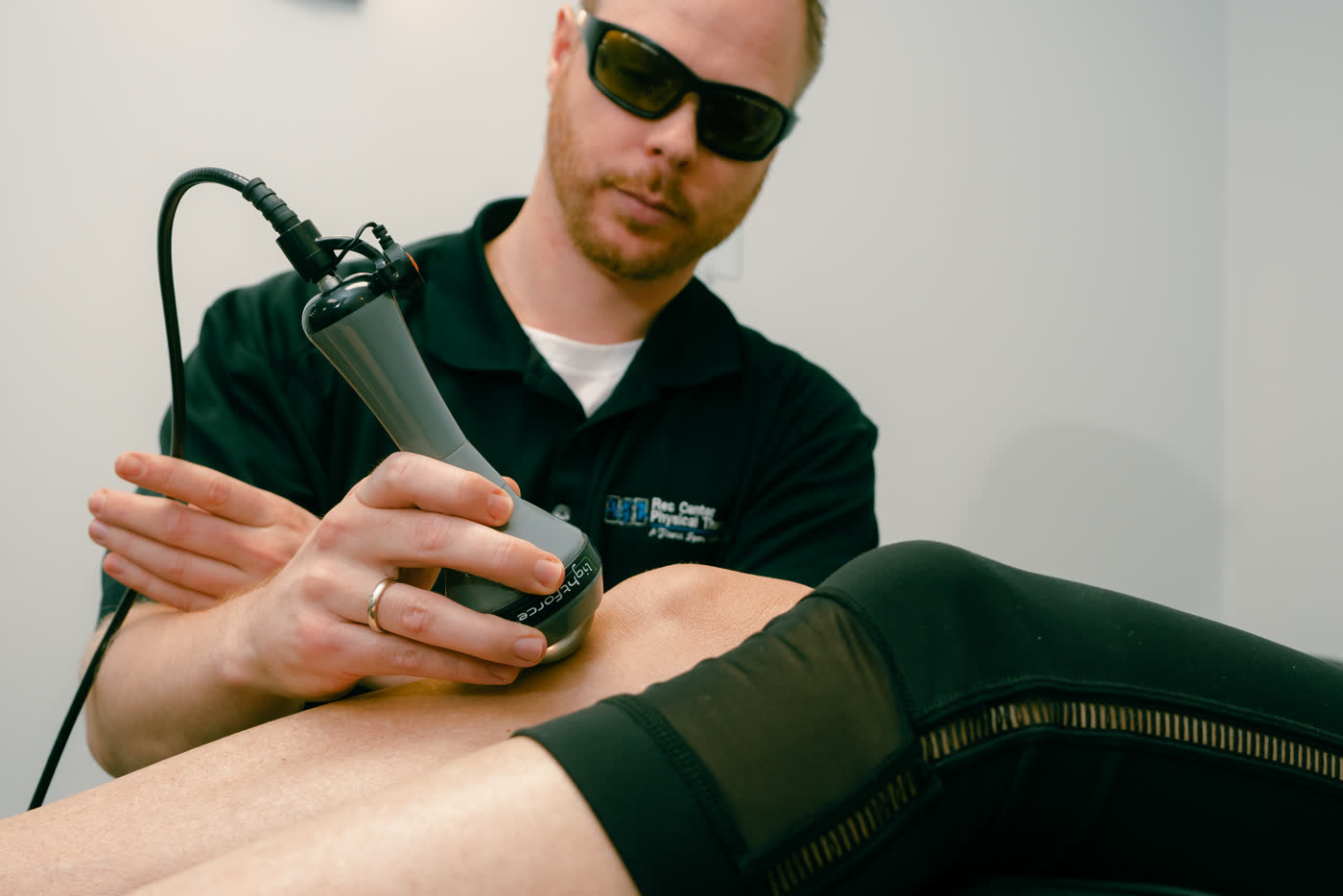
Deep Tissue Laser Therapy
Non-invasive light therapy that calms inflammation and speeds tissue healing.

Shockwave (RPW) Therapy
Acoustic pressure waves for stubborn tendon and soft tissue pain that has not settled.
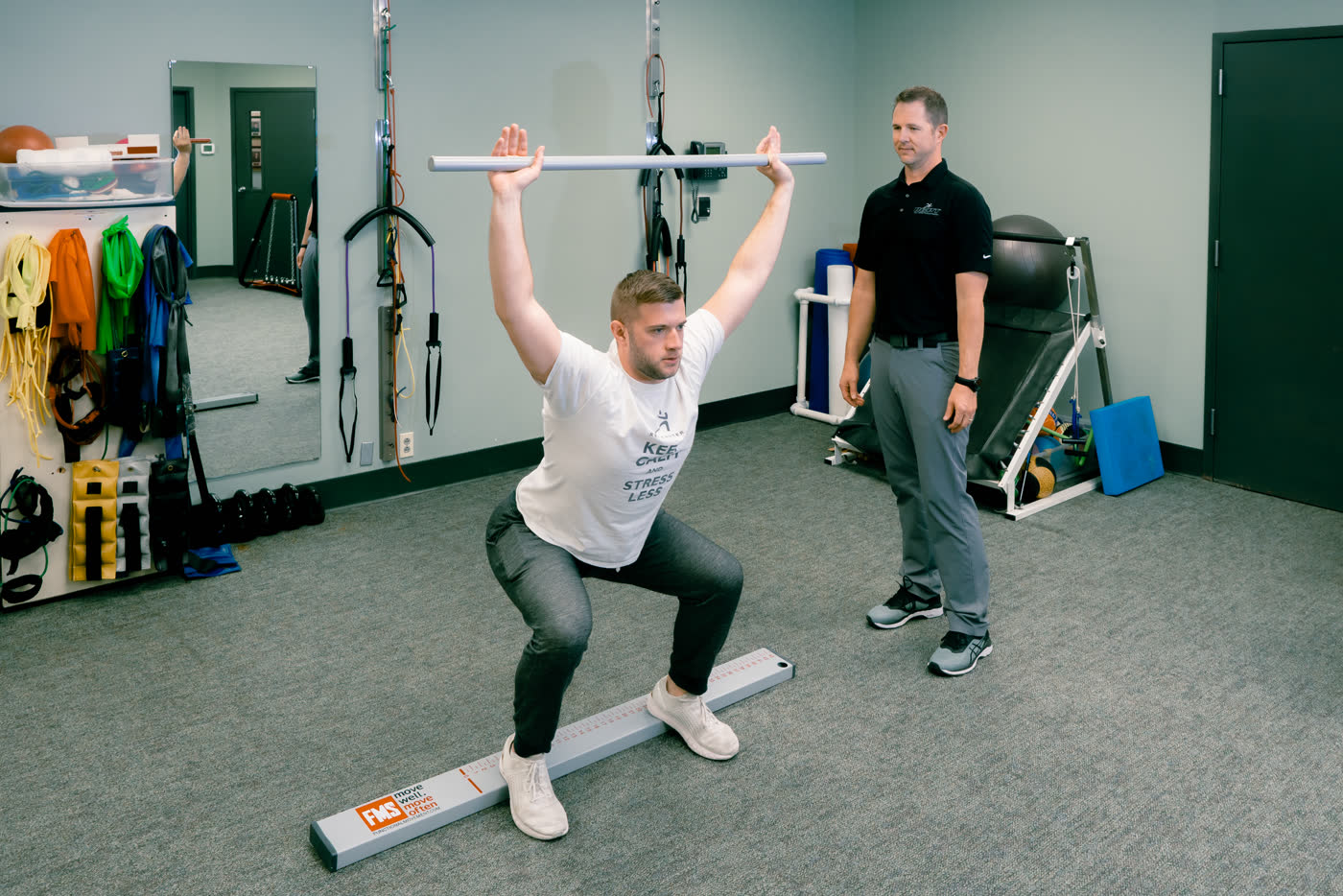
FMS/SFMA
Structured screening that finds the movement limitation behind your symptoms.

Instrument-Assisted Soft Tissue Mobilization
ASTYM® and Graston Technique® soft tissue therapy to address scar tissue and restore movement.
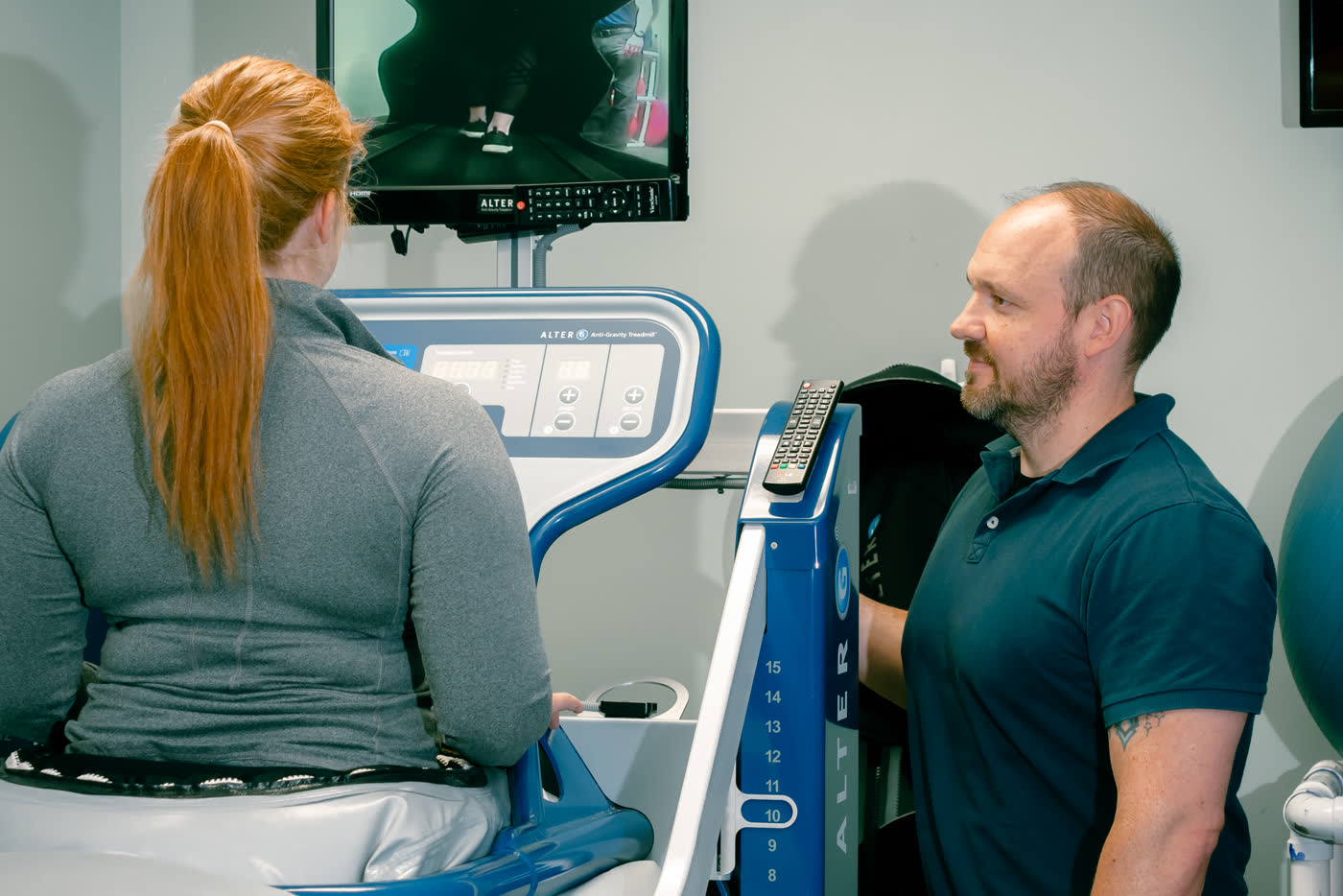
AlterG Anti-Gravity Treadmill
Walk or run at a fraction of your body weight while you heal.

Massage Therapy
Therapeutic massage for pain, tension and stress, next door to your physical therapy.
Ready to start dry needling?
Tell us what is going on and what you want to get back to. Our team will help you get scheduled.